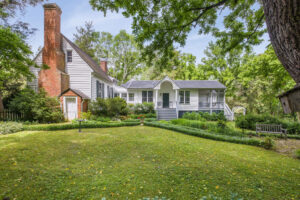
Pricing a historic home, estate, or country property in Central Virginia requires a different approach than pricing a standard home. Sellers need to evaluate architectural character, condition, acreage, outbuildings, buyer demand, and current comparable sales before choosing a list price.
For sellers of a historic Virginia home the goal is not to just pick a number. The goal is to set a price that reflects the property’s actual market position, attracts the right buyers, and creates the strongest impact.
Quick Answer: How Do You Price a Historic Home or Country Property in Central Virginia?
A historic home or country property in Virginia is typically priced based on recent comparable sales, land utility, the home’s condition, architectural details, outbuildings, and current buyer demand. Because these homes are unique, it is important not to rely only on price per square foot or an automated estimate of home value.
Why Pricing Unique Properties is Different
Selling a historic home, estate, or country property in Central Virginia is different from selling a more typical residential resale home.
Here’s why:
- There are fewer comparable sales
- Land quality can vary widely among properties
- Outbuildings, barns, guest houses, fencing, and location are not all valued equally.
- Buyer demand tends to be specialized, resulting in a smaller pool of buyers.
What Affects the Price of a Historic Home, Estate, or Country Property in Central Virginia?
1. Historic Character and Architectural Appeal
Historic homes attract buyers due to features such as:
- Original millwork
- Heart pine floors
- Fireplaces
- Porches
- Period details
- Structural integrity
- Functional layout
- Ceiling height
- Overall condition, particularly of the original materials
- Whether updates respect the home’s style
2. Property Condition and Major System Updates
Condition matters in every sale, but it’s of major importance in pricing older homes and country properties.
Buyers will evaluate:
- Roof age
- HVAC condition
- Electrical updates
- Plumbing
- Foundation issues
- Moisture and drainage problems
- Septic and well performance
If major systems have been updated and maintained, it can support a stronger list price. If not, buyers will build repair costs into their offer.
3. Acreage and Land Utility
All acreage does not contribute equally to value.
Important land considerations include:
- Open land vs. woods
- Topography
- Pasture quality
- Ponds, creeks, springs, river frontage
- Road frontage and access
- Agricultural or equestrian use
- Views
4. Outbuildings and Additional Improvements
Outbuildings can add value if they are useful and in good condition. If the accessory structures are also historic, they may have additional value.
Examples that buyers may appreciate include:
- Barns
- Detached garages
- Workshops
- Guest houses
- Old smokehouses and summer kitchens
- Stables and horse infrastructure
- Fencing
- Equipment sheds
5. Location, and Access
In Central Virginia, location means more than just the county name. Two similar homes may price very differently depending on setting or convenience.
The following factors can influence value:
- Views and scenery
- Privacy
- The surrounding properties
- Distance to town and amenities
- Paved vs. gravel access roads
6. Current Buyer Demand in the Local Market
The pricing strategy should reflect what is happening in today’s market, not last year’s seller expectations.
Seller pricing should take into account:
- Recently sold properties
- Current active listings – they are your competition
- How long it is taking similar properties to sell
- Price reductions
- Amount of current inventory
Why Online Estimates of Home Value Often Fail
Automated home value estimates can be especially unreliable for unique Central Virginia properties.
These tools often neglect to mention features such as:
- historic significance
- renovation quality
- value of outbuildings
- setting and views
- condition and deferred maintenance
- niche buyer demand
- land functionality
How to Price a Historic Home or Country Property in Central Virginia
A strong pricing strategy combines accurate data with sound judgement.
Review Comparable Sold Properties
Sold listings show what buyers were willing to pay. Due to the smaller number of sold historic and unique homes, this can require looking over a wider area or a longer date range, and then adjusting carefully.
Study Active and Pending Competition
If similar properties are languishing on the market, pricing should reflect that. But if well-positioned properties are going under contract quickly, it may support higher pricing.
Adjust for Significant Differences
Differences requiring adjustments may include: acreage, condition, quality of renovation, historic detail, views, privacy, additional structures, water features, location, access.
Watch How the Market Responds
The number of showings, feedback, days on market, and price reduction trends are all signals for whether your pricing strategy is working.
Common Pricing Mistakes Sellers Make
1. Pricing Based on Personal or Emotional Value
Historic and family properties often carry emotional attachment for the sellers. On the other hand, although buyers may react emotionally to a property, they also tend to base market value on the property’s features, condition, and functionality.
2. Confusing Replacement Cost with Market Value
The cost to restore a historic home, rebuild a barn, or replace materials today, does not necessarily equate to what a buyer will pay.
3. Assuming That All Acreage Has Equal Value
Each acre does not add equally to value. Buyers look at access, woods vs. open, topography, utility, pasture, drainage, upkeep, and beauty.
4. Ignoring Deferred Maintenance
Historic charm does not overcome concerns about roof age, moisture and drainage issues, structural integrity, and the condition of major systems such as plumbing, electrical, and HVAC. Problems in these areas will result in a lower price or buyers deciding not to purchase at all.
5. Starting Too High to Test the Market
It is essential to price your historic home correctly at the beginning. During the first weeks on the market, your property will receive the most views. Overpricing will lead to fewer showings, reduced momentum, and later price cuts. You may end up chasing the market down, resulting in a lower final sale price
Pricing Strategy Options for Central Virginia Sellers
1. Pricing for Maximum Exposure
A strategic list price can help your home appear in more buyer searches and increase visibility.
2. Pricing for Speed
If a quick sale is a priority, pricing at or slightly ahead of market expectations may generate increased buyer interest.
3. Pricing a Unique Property
With a one-of-a-kind property and few comparables, pricing should still be tied to evidence as much as possible. The agent’s experience in the particular niche market plays a crucial role. Exceptional photography and marketing, thoughtful presentation, targeted buyer profile, and careful positioning are all essential.
Pricing for a Slower Niche Segment
Historic homes, estates, and country properties may take longer to match with the correct buyer. The buyers of these homes know what they want and are often willing to wait for the perfect property to come on the market. A realistic pricing strategy at the beginning works better than repeated price reductions later.
Seller checklist - What Sellers Should Gather Before Pricing Their Property
 Before setting a list price, it is helpful to organize the following:
- Survey or plat
- list of renovations and improvements
- utility details
- septic and well information and permits
- outbuilding details
- land use and/or conservation easement documentation
- historic documentation
- prior appraisal if available
FAQS - Frequently Asked Questions About Pricing Historic Homes and Country Properties in Central Virginia
Can I price high and reduce the price later if necessary?
You can, but it often results in a loss of valuable momentum. Buyer interest is usually strongest when the property first comes on the market.
Does more acreage increase value?
Not necessarily. Functional, accessible, and attractive land contributes more value than additional acreage with limited usefulness.
Should I get an appraisal before listing?
Sometimes. For unique properties, an appraisal can be helpful in establishing value, but it should be paired with a current market analysis.
Do barns, guest houses, and outbuildings always add value?
They can, but like any other part of the property, condition, functionality, appearance, and buyer demand are the determining factors.
Are historic homes harder to sell?
Not necessarily. However, they do have a smaller pool of buyers. Historic homes require careful pricing and thoughtful target marketing, but they can attract serious buyers who value character, craftsmanship, and setting.
Final Thoughts on Pricing a Unique Property in Central Virginia
If you are selling a historic home, estate, or country property in Central Virginia, pricing should be based on more than square footage, lot size, or an online estimate.
The strongest pricing strategy considers:
- Historic appeal
- Condition of the home and property
- The quality and usefulness of the land
- Outbuildings and improvements
- Local buyer demand and the current real estate market
- Current competition