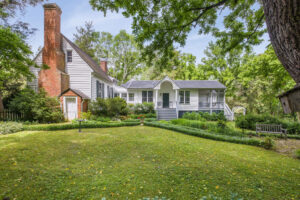
Selling a historic home in Central Virginia involves more planning than listing a typical modern resale property. The goal is not to make the house feel brand new. The goal is to preserve the authentic character buyers desire while addressing any issues that could create financing or inspection difficulties. It is important to present the home accurately so buyers understand both its condition and its value.
For sellers of older farms, estates, and country properties, the best preparation usually consists of five things: fix material defects, avoid unnecessary modernization, document updates, prepare for buyer questions, and price the property based on the realities of the current market.
What makes selling a historic home different?
Historic Homes appeal to a narrower but often highly motivated buyer pool. These buyers are usually looking for specific details not found in new construction: original floors, period trim and millwork, fireplaces, porches, old brick, mature trees and plantings, and architectural character. Many of these buyers are only interested in finding a historic home.
At the same time, historic homes can raise more questions and concerns than standard listings. Buyers may worry about maintenance, roof age, water intrusion, upkeep of older systems, foundation issues, window condition, heating and cooling performance and expense to operate, insurance costs, and whether restrictions from a historic designation or district apply to the property. They want to make sure that the bones of the home are good and will not require too many major updates and changes.
In Central Virginia, many historic properties also come with additional land, barns, guest houses, wells, septic systems, long drives, fencing, and outbuildings. All of those elements add value, but they also add complexity. Preparing the property properly includes the land as well as the home.
Start with a pre-listing review
Before spending money, walk the property with an agent who is experienced with historic and country properties. A pre-listing review helps you decide what should be fixed now, what can be left alone, and what needs to be disclosed.
1. Must-fix items
- Active leaks
- Unsafe electrical issues
- Plumbing leaks
- Structural concerns
- Rotten wood affecting function
- Failing HVAC systems
- Unsafe steps, railings, or porches
2. Helpful improvements
- Paint touch-ups, particularly any peeling paint
- Landscaping cleanup
- Replacing broken fixtures
- Repairing damaged screens
- Cleaning windows
- Servicing older mechanical systems
3. Better kept than replaced
- Original wood floors with age-related wear
- Historic windows that function but show age
- Antique hardware
- Old plaster with minor cosmetic imperfections
- Vintage millwork and doors
Repairs that usually matter most before listing
Not every defect in an older home requires a full renovation. Focus first on items that cause buyers to question whether the home has been maintained. You don’t want them to worry about the existence of hidden defects.
Safety and function come first
If a buyer sees obvious health, safety, or functionality issues, they may assume there are larger hidden problems. Addressing these concerns before listing can improve both showing activity and leverage during negotiation.
- Roof leaks or visible roof failure
- Water intrusion in the attic, basement, or crawlspace
- Unsafe or outdated electrical conditions
- Plumbing leaks or damaged supply/drain lines
- Heating or cooling systems that do not work properly
- Foundation movement or major cracking
- Rotten wood affecting porches, steps, sills, or trim
- Chimney damage if fireplaces are being sold as operational
Moisture issues deserve special attention, especially if there is mold present
- Crawlspaces
- Basement walls
- Window and door sills
- Porch columns
- Exterior wood trim
- Gutters and downspouts
- Drainage around the foundation
Small deferred maintenance still matters
- Peeling paint
- Loose hardware
- Broken Shutters
- Sticking doors
- Torn screens
- Damaged plaster
- Missing light bulbs
- Dirty fireplaces
- Overgrown shrubs
- Weeds around walks and plantings
What not to over-renovate before selling
One of the most common seller mistakes is trying to make a historic home look like a new one. That often reduces appeal rather than increasing it.
Buyers interested in historic homes usually value authenticity. In most cases, replacing original materials with generic finishes hurts the property rather than helping. A purchaser often will appreciate an updated kitchen and baths, but will want to see the rest of the house with the original finishes.
- Replacing original windows unnecessarily. You can often keep the original windows and have storm windows constructed to prevent heat loss.
- Painting over quality natural woodwork or historic finishes without a strong reason.
- Swapping period light fixtures and hardware for builder-grade replacements
- Installing trendy finishes that clash with the architecture
- Removing fireplaces, built-ins, or original doors
- Over-remodeling kitchens or baths right before listing. If you are going to live there for a while, then it may make sense to remodel them so that you can enjoy the increased functionality. Otherwise, I would leave it for the new owners. Some people will want it more modernized than others.
Gather documentation before the listing goes live
Documentation helps reduce uncertainty. When they can see what has been updated and when the work was completed, buyers are more comfortable making a strong offer.
- Roof age and repair records
- HVAC installation and service records
- Plumbing updates
- Electrical upgrades
- Foundation or structural inspection or repair documentation
- Chimney inspection or maintenance records
- Well and septic information, if applicable. County permits, if available.
- Survey and/or plat
- Permit history, if available
- Historical registry records, if applicable
- Receipts for restoration or preservation work
- A copy of the conservation easement if the property is under one
- Utility information
A list of renovations and repairs with the timeline can be very helpful. It does not need to be complicated. A one-page summary of major updates can provide the answer to many buyer questions that otherwise could turn into objections.
Be ready for buyers questions that are specific to historic homes.
- Is the home on any historic registers or under a historic easement?
- Is it located in a historic district?
- Are there any restrictions on exterior or interior changes?
- Have the electrical and plumbing systems been updated?
- How old is the roof?
- Are the fireplaces operational?
- What type of insulation is in the home?
- Are the windows original?
- Has there been any water intrusion or leaks?
- What is the condition of the foundation, basement or crawlspace?
- Is insurance more difficult to obtain or more expensive?
- Do you have well and septic permits or inspection records?
- What is the internet service?
- What condition are the barns, fences, and outbuildings in?
Inspections worth considering before listing
A pre-listing inspection is not required, but for older and historic homes it can be useful. It gives sellers time to understand issues on their own terms instead of reacting under pressure when they receive an offer. Termite and septic inspections can be particularly important with a historic home. They may uncover issues that could create a substantial problem for a buyer. Knowing ahead of time can allow a seller to correct the deficiency before the home goes on the market. Or it may be something to disclose and price the home accordingly.
- General pre-listing inspection
- Termite and wood-destroying insect inspection
- Chimney and fireplace inspection
- Roof inspection
- Septic inspection
- Well water test
- HVAC service and evaluation
- Inspection by a structural engineer if you have concerns.
There are several advantages to having some crucial inspections prior to going on the market.
1. You find issues before buyers do.
2. You can decide whether to repair, disclose if required, or price accordingly.
3. You reduce the chance of surprises later and will be prepared for negotiation items.
Stage the home without losing its character
Staging a historic home should enable the home to feel well cared for and livable, without erasing the architectural style. Rather, it should contribute to the ambience and period atmosphere.
- Highlight original detailing and features
- Reduce clutter
- Improve the flow of the rooms
- Let in as much light as possible
- Use furniture that is the proper size for the room
- Keep color and patterns simple and in keeping with the era
- Avoid distractions
Make sure to focus on the features that are important to buyers: staircases, fireplaces, mantels, molding and millwork, heart pine floors, tall windows, high ceilings, built-ins, porches, and views of pastures, gardens, and the countryside.
For larger acreage properties, it is equally important to show the grounds in their best light. The entrance to the property, driveway condition, fencing, mowing of the pastures and edges of the fields, and outbuilding presentation all influence the perception of value.
Prepare the exterior of the home and the grounds carefully
- Driveway condition and appearance
- Entrance gates and signage
- Pasture condition and mowing
- Fence repairs
- Barn and shed appearance inside and out
- Porch and steps painting and overall condition
- Foundation plantings
- Trees near the home – prune and remove dead limbs
- Outdoor gathering areas should look inviting
- Make sure any outbuildings are neat
Buyers will form their first opinion as they drive up to the home. A good first impression will assist in making the property feel special rather than overwhelming them with how much work the property needs.
Photography and marketing are crucial for unique homes
Historic homes require marketing that conveys both emotion and substance. Good photos will show the architectural details while also highlighting condition, flow, and the setting. A buyer should be able to imagine themselves living in the home. With a historic home, you are telling a story. Buyers love to learn the history of the home through the previous generations who lived there. The new buyer will be the next caretaker of the home. They will be emotionally involved in contributing to history and writing their own story.
- Exterior approach shots
- Key architectural details
- Main living spaces
- Updated systems or meaningful improvements
- Land and outbuildings
- Views, including seasonal views if important
- Clear remarks explaining updates, provenance, and property features
- Aerial views of the property
- Floorplans
- Videos for web and social media
Pricing a Central Virginia historic home
Pricing is one of the most difficult parts of selling a historic home. Due to their unique nature, there are rarely sales of similar properties to consider. Historic properties do not fit neatly into a standard comparable sales model.
It will be further complicated when the property includes considerable acreage, outbuildings, guest or farm manager dwellings, a scenic setting, restoration work, unique architectural detail, or historic significance.
A sound pricing strategy should account for:
- Comparable historic or unique home sales, if available
- Overall condition
- Condition of major systems
- Needed repairs
- Quality of renovations
- Land value
- Setting and location
- Market demand in the particular area in Virginia
- Appeal to the niche buyer pool
Common seller mistakes
- Overpricing based on sentiment
- Trying to hide old-house issues instead of addressing or disclosing them
- Replacing original features with generic materials
- Ignoring moisture problems
- Performing cosmetic work instead of addressing major functional repairs
- Failing to document updates
- Neglecting the presentation of barns, fencing, or the land
- Marketing too broadly instead of targeting the right buyer
Pre-listing checklist
30 to 60 days before going on the market
- Walk the property with a listing agent experienced in selling historic property
- Make a plan for repair and preparation
- Gather receipts, permits, and system information
- Schedule desired inspections or evaluations
- Decide what to repair, or disclose and leave as-is
- Begin decluttering the home and outbuildings
2 to 4 weeks before going on the market
- Finish any repairs
- Deep clean the home
- Touch up paint
- Improve landscaping and plantings
- Organize historic, repair, and renovation documentation
- Finalize staging
1 week before going on the market
- Replace burned-out bulbs
- Remove excess personal items
- Prepare porches and entries
- Professional photo shoot
- Make sure barns, sheds, and exterior show well
Should I sell my Historic Home as-is
Due to the age of the home, many historic homes are sold as-is. In the listing, it will be stated that the seller will not perform any repairs, but that the buyer can do any inspections that they desire for their information. The buyer will reserve the right to terminate the contract without penalty if the inspection finds something that they can’t live with.
A historic home is not perfect. Selling as-is will keep the seller from receiving a long laundry list of requested often cosmetic repairs. However it does not mean that a buyer will accept a home with a lot of deferred maintenance and disclosure items without it being priced accordingly. In an as-is sale, we often see a price adjustment at the end of the inspection period to compensate the buyer for some major issue that has come to light. It may be something that the seller would have to disclose if the current sale falls through and the home goes back on the market. Consequently, it is in everyone’s interest to negotiate an adjustment and keep the current sale together.
We also often see a historic home sold as-is when it has been inherited and the seller has never lived there and does not have actual knowledge of the condition of the home and systems.
Selling as-is is one more tool that a seller of a historic home may decide to use.
Final Thoughts
Preparing a historic home for sale in Central Virginia is about positioning, not perfection. Buyers do not expect an older home, estate, or historic country property to feel brand new. At the same time, it is important for the property to be well maintained, clearly presented, and properly valued. The choice to purchase will often be an emotional decision for a buyer, who is captivated by the home’s charm and a desire to be a part of history.
If you are planning to sell, the best first step is to have a comprehensive review of your property before you make any major repair or renovation decisions. That will help you to protect your home’s historic character, ensure you spend money where it matters, and bring the property to market in a way that fits your home and targets the right buyer.